

Is this a stupid question? Is this something we should all know? As someone who eats chocolate and thorough enjoys it, I’ll admit I’ve never spent too much time agonising over the differences. I usually just pick up the bar that says ‘Cooking Chocolate‘ in the baking aisle and assume it is worlds away from the standard dark chocolate bar that I pick up in the snack aisle.
But then… what if there is really little difference between chocolate and cooking chocolate at all? What if we are using different chocolate in our bakes needlessly, all because some packaging says it’s more suitable? (Also see: Baking margarine vs normal margarine – there really is no difference, except the quality of the former is far inferior.)
So, I did some fine detective work and tried the different types to see if a) there is any difference in ingredients and also b) was there any difference in the final bake?
Is there any difference between dark chocolate vs cooking chocolate
Dark chocolate vs cooking chocolate: Fat content
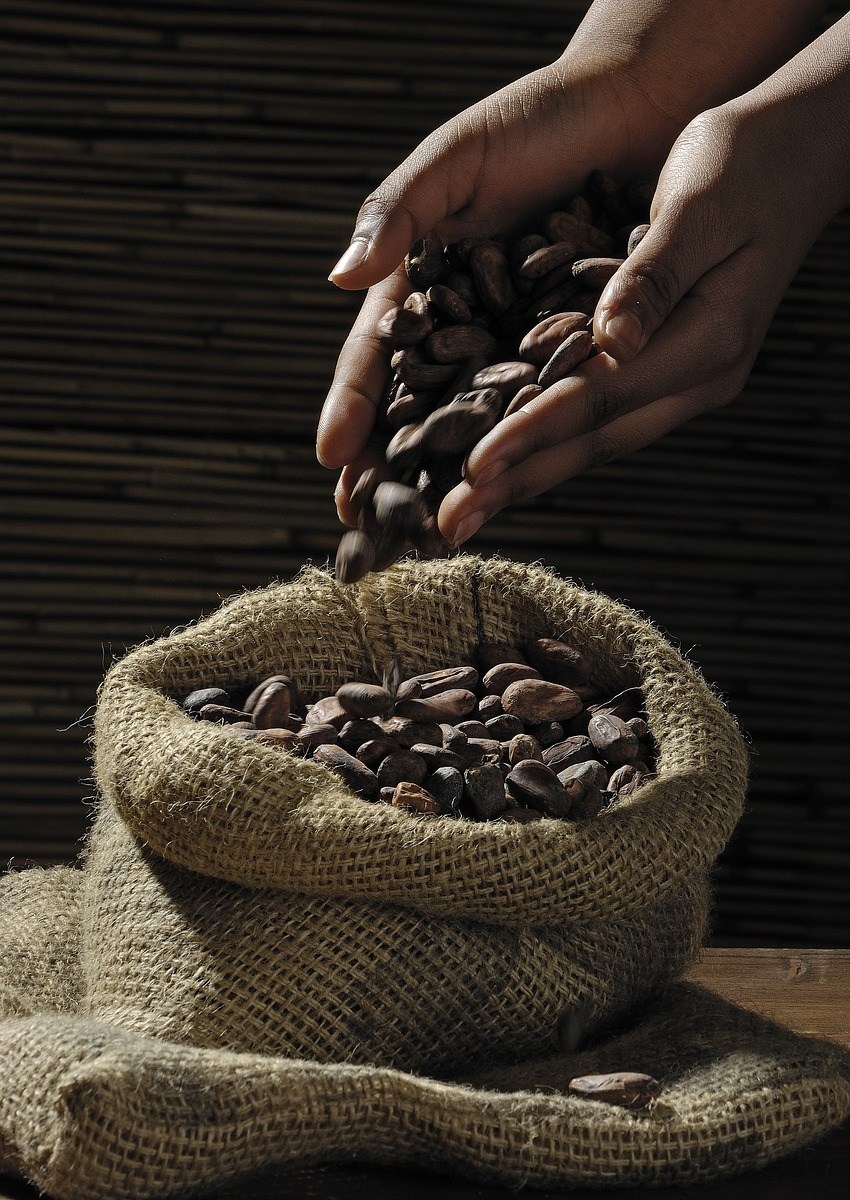
Cooking chocolate usually contains more cocoa mass (or cocoa solids) than regular chocolate. Cocoa mass is the purest form of chocolate as it is effectively the end product of grinding down cocoa beans into a paste or a “liquor”. Because no sugar has been added to it, cocoa mass on its own is very bitter.
Cooking chocolate does contain less cocoa butter than regular chocolate, though, which means it takes longer to melt than the typical type. Once melting, however, it melts consistently and smoothly, making it perfect for things like ganache which need a certain lacquer on the finish.
In terms of health, cooking chocolate is slightly better for fat content as it’s high cocoa mass content is so pure that cooking chocolate is often packed with flavanoids, making it a very heart healthy chocolate. It’s not known for its taste, though, so nibble with caution.
Dark chocolate vs cooking chocolate: Sugar content
The biggest difference between dark chocolate and cooking chocolate is the sugar content. Good quality cooking chocolate contains little or no sugar, while regular chocolate always has some to offset the bitter taste from the cocoa solids.
Some supermarket cooking chocolate does contain sugar, however, so watch out – you might be paying more for a cooking chocolate that actually is near enough the same as your regular chocolate. If this is what you can afford and your recipes asks for cooking chocolate, then tweak the sugar amounts accordingly.
Can you use regular eating chocolate for cooking?
Yes you can, as long as you are using high quality eating chocolate as this will contain the highest amounts of cocoa solids and will therefore be the most stable.
If a bake asks for milk or white chocolate, then there really is no major difference between regular and cooking varieties as they both demand sugar, so use whichever you prefer/which you can afford. Dark chocolate is far less sugar-heavy – dark cooking chocolate in particular – so do your research beforehand, only buying cooking chocolate if it is over 90% cocoa mass.
Personally, I’d save a bit of money and buy a tasty dark chocolate that can be enjoyed as a snack but can also be used in a quality bake. You’ll get more use out of it – and who doesn’t love nibbling away at odds and ends during a cooking session?
My favourite high quality dark chocolate is from a UK company called Nibbles. Their dark chocolate chips are made with 81% single origin cocoa and contains no refined sugar, so there’s no need to amend your recipes that ask for cooking chocolate.
And if the high cocoa mass content sounds bitter to you, don’t be put off from sticking your hand in the bag and snacking away. Seriously, they are SO GOOD, nice and smooth and actually quite moreish for a dark chocolate. You’d be convinced they have dairy in as they’re that creamy, but they don’t contain any.
 My Wellbeing Journal